
The Surprising Ways Physiotherapy Can Help You Avoid Surgery
Hearing the word “surgery” can provide a base of apprehension and unnecessary panic. People tend to jump to conclusions before understanding the specific situation. Many people assume that if their knee hurts every time they climb the stairs, their shoulder clicks louder than their car, or their back has been complaining to them for years, then an operation is inevitable. Hearing the word “surgery” can provide a base of apprehension and unnecessary panic. People tend to jump to conclusions before understanding the specific situation. Many people assume that if their knee hurts every time they climb the stairs, their shoulder clicks louder than their car, or their back has been complaining to them for years, then an operation is inevitable.
The good news? Surgery is not always the option.
For many common muscle, joint, and spine conditions, research shows that physiotherapy is an effective first line treatment and can reduce pain, restore movement, and improve function enough that surgery can be delayed and possibly even avoided altogether. Although physiotherapy is not a miracle cure, some injuries genuinely require surgery. Rehabilitation can’t magically glue a broken bone back together or stitch a torn tendon. But for countless people, the body is far more adaptable than they realize, and the right rehabilitation program can make a remarkable difference.
How Physiotherapy Can Help
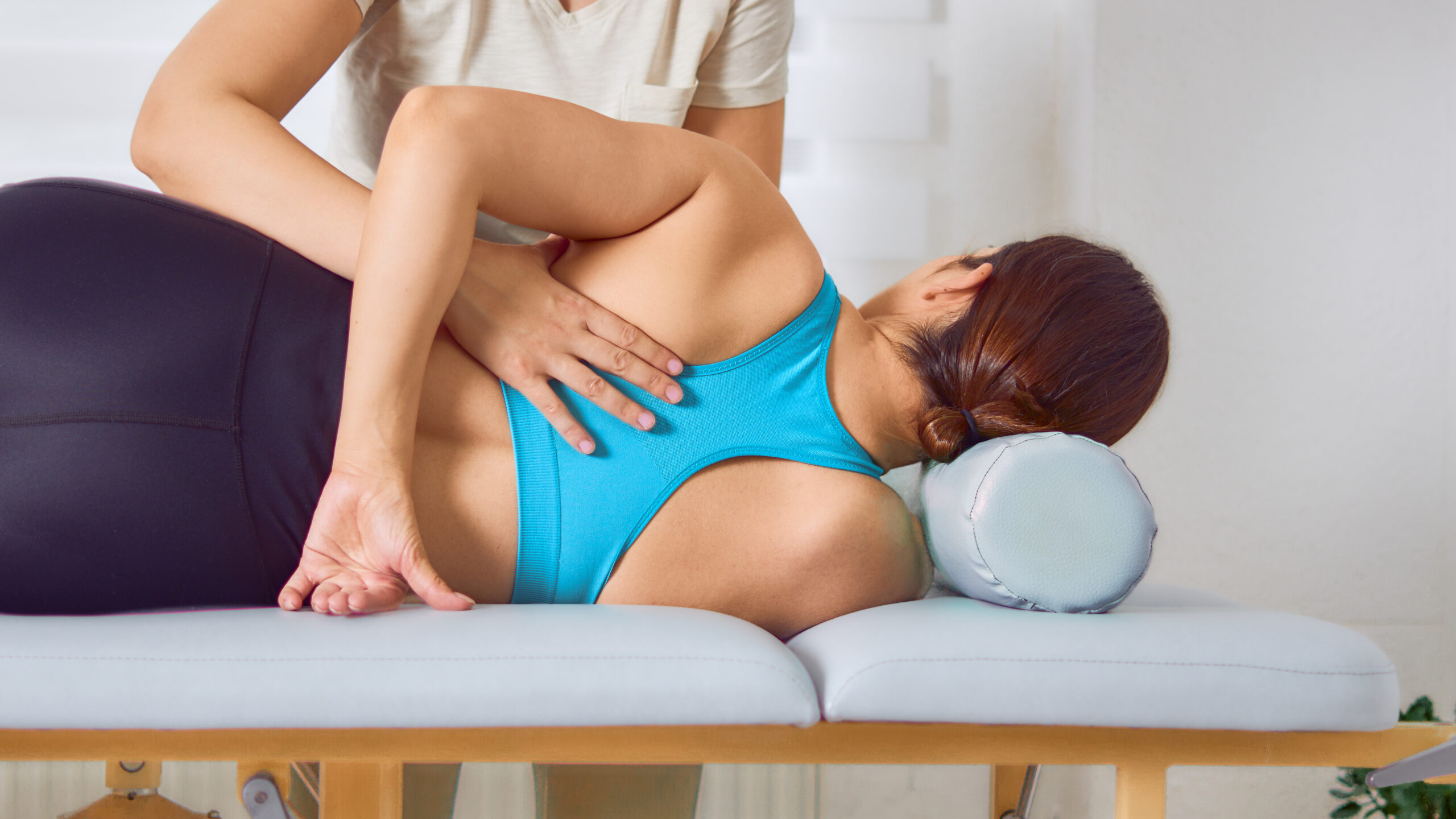
Physiotherapy identifies the underlying cause of pain, rather than just simply treating the symptoms. Physiotherapists mainly use exercises, manual therapy, modalities and equipment to treat their clients as they improve their strength, flexibility and stability. Seeing a Fortius Physiotherapist can help address the patient’s symptoms without the option of an operation.
What Areas Can Physiotherapy Help Prevent Surgery
Shoulder
The shoulder is one of the most common reasons people seek care. Conditions such as rotator cuff tendinopathy, shoulder impingement, frozen shoulder, and many partial rotator cuff tears often respond well to physiotherapy.
A rehabilitation program improves shoulder strength and stability, restores range of motion using manual therapy, modalities to reduce inflammation and pain and a home exercise program to improve function for daily activities.
Spine And Lower Back
Many individuals with lumbar disc herniations, sciatica, or arthritis changes often recover without surgery when appropriate rehabilitation is provided.
Treatment may include core strengthening exercises, mobility and flexibility training, postural education, manual therapy, modalities, gradual return to activity, pain management strategies and home exercise program.
Neck
Did you know issues with neck posture, neck tightness and muscle strength are known for responding well to physiotherapy?
This type of physiotherapy treatment focuses on manual therapy and a specific therapeutic exercise program improving neck mobility, strengthening supporting muscles, correcting posture, reducing muscle tension and preventing future flare-ups. Only cases involving severe nerve compression or spinal instability typically require surgical intervention.
Hip
Hip pain may arise from osteoarthritis, tendon injuries, bursitis, or muscle weakness.
Physiotherapy can help control all of these issues without surgical intervention.
This type of treatment includes strengthening muscles around the hip, improving joint mobility, reducing stiffness, and improving walking mechanics. Research shows that physiotherapy, particularly exercise therapy, can reduce pain, improve function, and help many people with hip osteoarthritis delay or reduce the need for hip replacement surgery even for years! Many individuals maintain an active lifestyle for years with conservative management.
Knee
Did you know one in four adults experience or have experienced frequent knee pain? As you can see, knee pain is very common amongst adults and even young adults, but it is also one of the strongest examples of physiotherapy reducing the need for surgery.
Conditions that often respond well include, knee osteoarthritis, patellofemoral pain syndrome, degenerative meniscus tears, certain ligament injuries, just to name a few.
Strengthening the muscles surrounding the knee improves stability, reduces joint loading, and often decreases pain significantly. Research has shown that many people with degenerative meniscal tears achieve outcomes comparable to surgery through structured exercise programs alone.
Ankle And Foot
Persistent foot and ankle is very frequently treated conservatively and does not always require surgery. Conditions commonly managed with physiotherapy include, achilles tendinopathy, plantar fasciitis, recurrent ankle sprains, tendon dysfunctions, foot pain caused by overuse.
Conservative treatment including exercise therapy, balance training, and gradual loading programs individualized to the patient’s goals frequently provide excellent long-term results without the suggestion of surgery.
Elbow, Wrist and Hand
Overuse injuries affecting the upper limb also significantly improve without the concern of a surgical option. Some examples of these include, tennis elbow, golfer’s elbow, tendon irritation, mild repetitive strain injuries.
Early physiotherapy helps to reduce pain, improve strength, and help patients return to work or sport without surgical intervention.
When Is Surgery Still Necessary?
Yes, Physiotherapy is exceedingly effective to avoid surgery for joints all over the body,, but understandably, in many scenarios there is still no substitution for surgery.
Surgery may still be recommended when there is:
- A complete tendon rupture
- Significant joint instability
- Severe arthritis causing major loss of function
- Progressive nerve compression with muscle weakness
- Certain fractures requiring fixation
- Serious infections or tumours
A thorough assessment by a Fortius Physiotherapy healthcare professional helps determine whether conservative treatment or surgery is the most appropriate option.
Physiotherapy Before Surgery
“Prehabilitation” focuses on improving strength, mobility, and cardiovascular fitness before surgery. Research has shown that patients who are physically stronger beforehand often recover faster, regain function sooner, and experience better postoperative outcomes. Fortius Physiotherapy supports our patients in this phase also!
Rehabilitation after surgery is equally important for restoring movement, rebuilding strength, and returning safely to everyday function and activities.
Summary
Surgery is an important treatment option for many musculoskeletal conditions, but it is not always the first, or only solution. Physiotherapy has been shown to effectively manage many problems affecting the shoulder, spine, neck, hip, knee, ankle, foot, and upper limb. By improving strength, mobility, and movement patterns, rehabilitation can reduce pain, restore function, and, in many cases, help patients avoid or delay surgery.
If you are experiencing persistent pain or have been told surgery may be an option, consulting a Fortius physiotherapist early can help you understand your condition, explore evidence-based treatment options, and determine the most appropriate path toward recovery.
Author: Sophie Mannella