
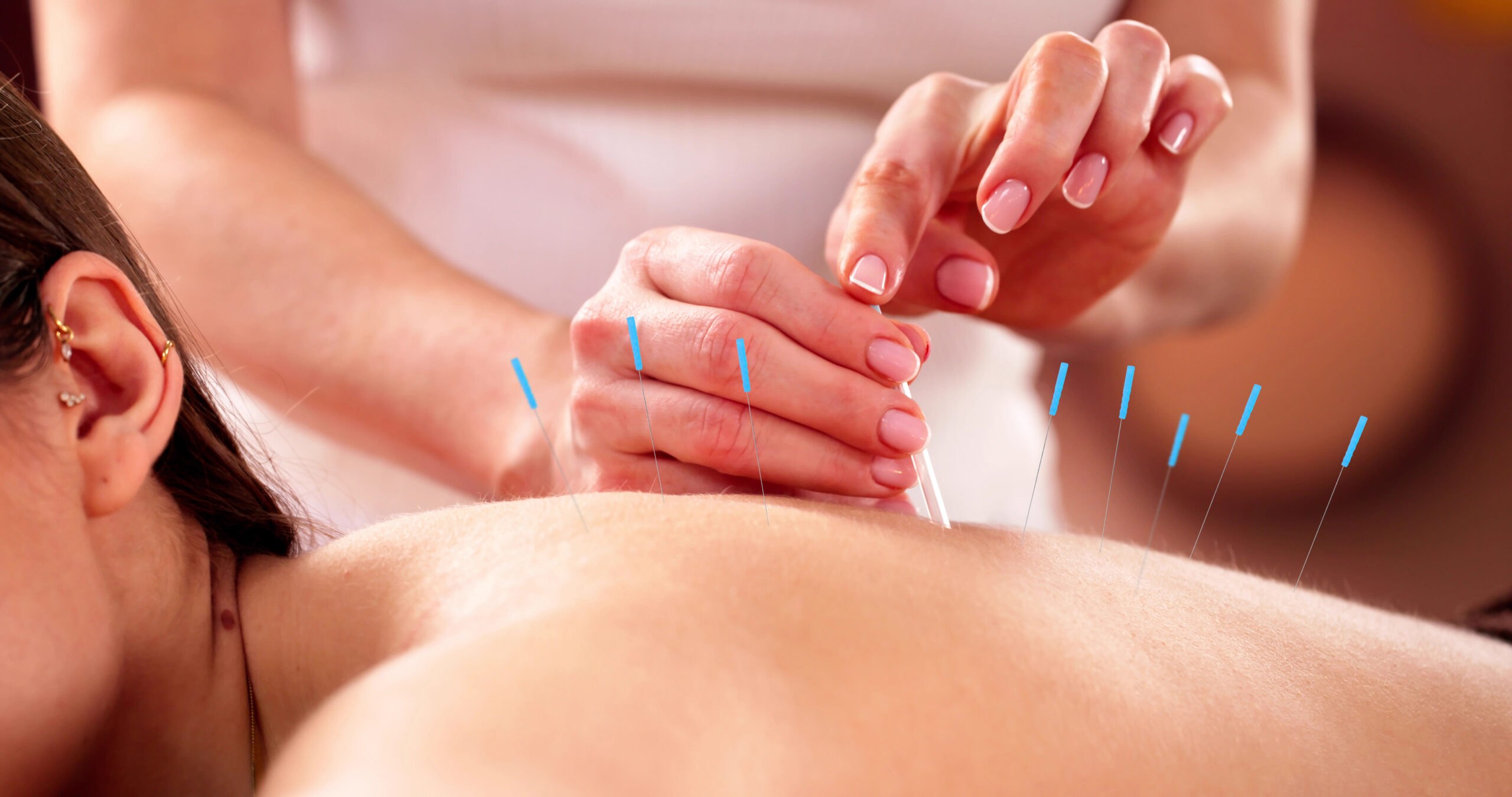
Acupuncture vs. Dry Needling
What is the Difference?
If you’ve ever explored treatments for pain relief, muscle tightness, or injury recovery, chances are you’ve come across acupuncture and dry needling, techniques we offer at Fortius Physiotherapy. At first glance, they look almost identical, both involve inserting very thin needles into the body. But despite their similarities, they are fundamentally different in origin, purpose, and approach.
Same Tool but Different Philosophy
Both acupuncture and dry needling use the same type of thin, sterile needles. That’s where the similarity mostly ends. Below is simplified comparison for both techniques.
Acupuncture: A Holistic Tradition
Acupuncture comes from Traditional Chinese Medicine (TCM), a system of healing that dates back thousands of years. It’s based on the idea that the body has an energy force called qi (pronounced “chee”) that flows through pathways known as meridians.
When this energy becomes blocked or unbalanced, illness or pain can occur. Acupuncture aims to restore balance by inserting needles at specific points along these meridians. We can think of acupuncture as a whole-body approach. It doesn’t just treat symptoms, but tries to address underlying imbalances.
Dry Needling: A Modern Medical Technique
Dry needling, on the other hand, is rooted in Western medicine and modern anatomy. It focuses on muscles and connective tissue, specifically targeting what are known as trigger points. These are what we call tight knots in muscles that can cause pain.
The goal is straight forward: to release muscle tension, reduce pain and improve movement. We can think of dry needling as a targeted, physiotherapy technique.
What Conditions Do They Treat?
Acupuncture
Because it takes a broader view of health, acupuncture is used for a wide range of conditions, including:
- Chronic pain
- Headaches and migraines
- Stress and anxiety
- Digestive issues
- Sleep problems
Dry Needling
Dry needling is much more focused and is typically used for:
- Muscle tightness
- Sports injuries
- Neck and back pain
- Joint dysfunction
What Does It Feel Like?
Both treatments use very thin needles, so pain is usually minimal.
- Acupuncture: You may feel a dull ache, tingling, or warmth. Many people find it relaxing.
- Dry needling: You might feel a quick twitch in the muscle when the needle hits a trigger point. This can be slightly uncomfortable but is usually brief.
Curious about which option is right for you? Our practitioners at Fortius Physiotherapy can guide you based on your specific condition. Contact the clinic today to get started on your journey to Fortius Wellness!
Karen, RKin